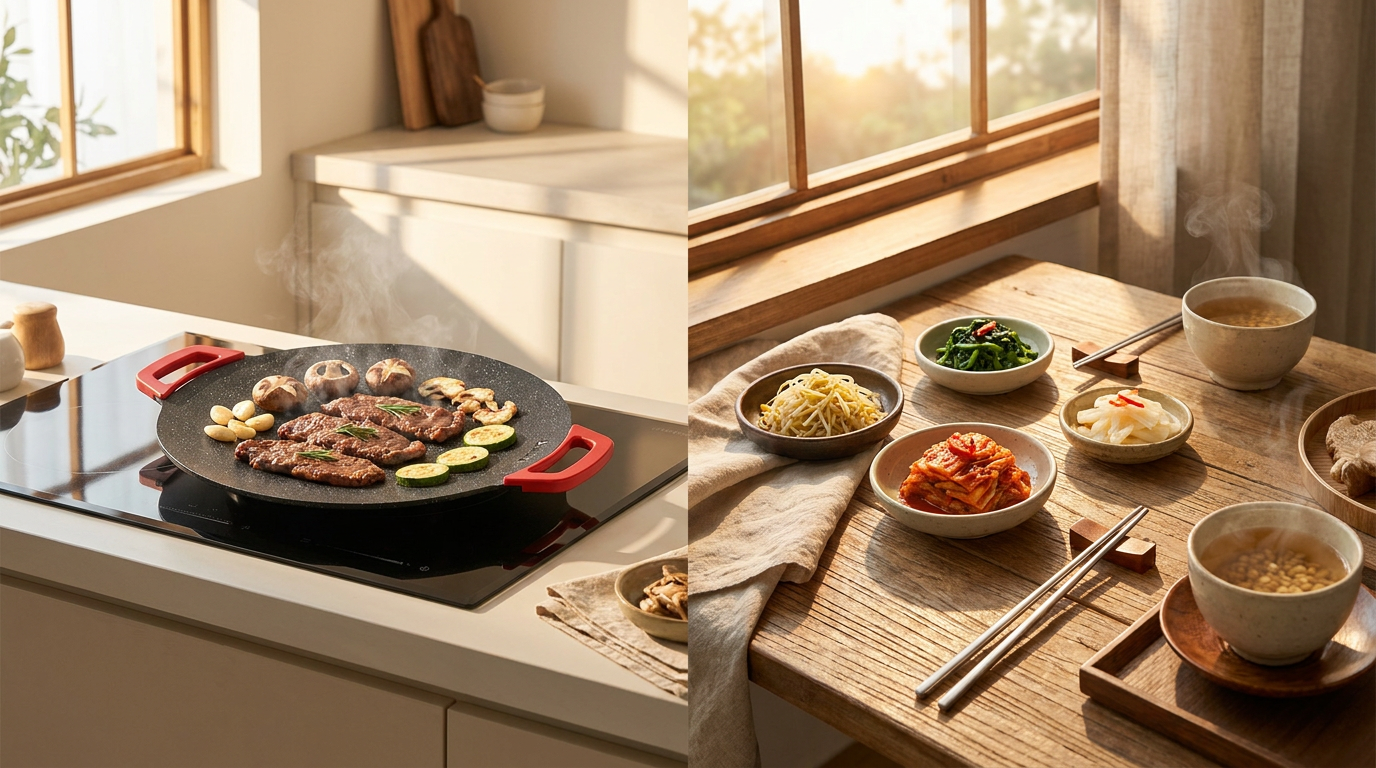
Selecting a Nonstick Plate for Electric Stove Cooking
June 29, 2026 — The rising popularity of portable electric indoor grill kbbq setups has shifted how we approach tabletop dining, specifically regarding the use of specialized nonstick plates on standard electric stovetops. As more households move away from gas, finding a surface that maintains heat without damaging the glass or coil of an electric stove has become a priority for Electric Korean BBQ Grill enthusiasts.
While traditional stovetop pans are common, they often struggle with the precise heat distribution required for thinly sliced meats. In a detailed review of the Joydeem Electric Grill, YouTube creator Best Korean BBQ & Hot Pot Setup? Joydeem Electric Grill Review demonstrated how integrated systems manage heat more effectively than standalone plates. This distinction is vital for those trying to replicate a restaurant experience at home without the smoke or uneven searing associated with improper equipment matching.
The 4 Compatibility Checks
When I look at the current market, I see two distinct paths: buying a standalone nonstick plate to place on your existing stove or investing in a dedicated Electric Korean BBQ Grill. If you choose a plate for an electric stove, the first check is heat conduction. Unlike gas, electric stoves rely on surface contact. A plate with a completely flat bottom is mandatory; warped or concave plates will leave your bulgogi gray and steamed rather than seared. Second, consider the drainage. Most stovetop plates require a manual tilt to move grease into a side bowl, which can be unstable on a glass-top stove. Third, surface coating matters. I prefer multi-layer Teflon or ceramic coatings that can handle the 3600 monthly search impressions worth of demand for high-heat indoor searing. Finally, look at the footprint. A plate that is too large for your electric burner will result in cold zones at the edges, making it impossible to cook for more than two people at once. Between these two options, I’d go with a dedicated electric unit because it eliminates the risk of scratching a delicate glass stovetop. If you're on a budget, a cast aluminum plate with a nonstick coating is the most viable stovetop alternative, provided your burner is large enough to support the diameter of the pan. Skip this if you have an induction stove, as most aluminum plates will not register on the magnetic surface without an interface disk, which further degrades heat efficiency.
Expert tip: Always check if your nonstick plate has a textured surface; a slightly ridged pattern helps lift the meat away from its own rendered fat, which is essential when optimizing heat for a nonstick Korean BBQ plate to prevent sticking.
Understanding the mechanics of your heat source is the first step toward a successful meal. If you are still wondering, "Can I use an Electric Korean BBQ Grill on an electric stove?", the answer depends heavily on the clearance and the specific model's base design. For those who prioritize safety and ease of cleanup, a standalone Electric Korean BBQ Grill is generally the smarter play. It prevents the mess from reaching your primary cooking range and offers better temperature control than a standard kitchen knob can provide.
Here’s what I’d actually buy: a dedicated unit with a built-in drip tray. It avoids the stability issues of placing a heavy plate on a slick electric stove surface. You can find high-quality options that fit this criteria directly at Electric Korean BBQ Grill.